|
| source: Pinterest |
It's hard to know just what will keep us healthy these days.
With all the different advice on carbs, sugar, and protein out there, knowing what to eat can be so confusing. Multiple studies, however, are now showing that people who eat nuts experience a surprising number of health benefits. Here's what you need to know.
If you eat 20 grams of nuts high in antioxidants per day, your risk of dying can drop by up to 20%.
The nuts with the highest amount of antioxidants are walnuts and pecans.
Eating an ounce of nuts each day can reduce your risk of heart disease by 33% and cut your cancer risk by 15%.
 |
| source: Pinterest |
There is some evidence that eating them can lower your chances of developing respiratory disease and diabetes.
Dr. Dagfinn Aune of the School of Public Health at Imperial said: "We found a consistent reduction in risk across many different diseases, which is a strong indication that there is a real underlying relationship between nut consumption and different health outcomes."
"It’s quite a substantial effect for such a small amount of food," the doctor continued.
____________________________
References:
- Australian dietary guidelines, 2013, National Health and Medical Research Council, Australian Government. More information here.
- Australian guide to healthy eating, Australian Government. More information here.
- http://www.dailymail.co.uk/
If You Eat A Handful Of These Every Day, You Can Lower Your Risk Of Chronic Disease And Even Death
By Unknown

Heart disease is one of the deadliest diseases which should be taken care of!
The reason for heart disease is clogged arteries which has a main purpose of interrupting the flow of blood in the body. These arteries block the flow of blood towards the heart and then also don’t allow the blood to flow away to other parts of the body.
There’re some simple and common factors which most of the people follow and due to which such problems occur. Heart disease is top on the list of such problems and this is only due to unhealthy diet and even stress.
This can be avoided by controlling the consumption of unhealthy diet and changes which are need to be done in the diet as per the requirement for your healthy heart.
Here are some foods, which will keep your heart healthy:
1)Salmon fish:
It is the best food to keep heart healthy due to the presence of fatty acidsCholesterol and inflammation are some of the key ingredients for heart disease and salmon can help to prevent these!
2)Orange juice
Orange is rich in antioxidants and Vitamin CThis will help to keep the blood vessels healthy and to keep the blood pressure in required levels
By drinking 2 glasses of this juice will help you to get the necessary vitamins and minerals to the body.
3)Nuts
They’re rich in unsaturated fatty acids and Omega-3 fats.They help in checking the cholesterol level in the body
Also effective to boost memory and repairing joint problems
4)Turmeric
The active compound in turmeric – curcumin is said to have consisting with handful of benefits to the body.Overactive fat storage and tissue inflammation can be reduced by intake of turmeric powder
Turmeric powder can be consumed as liquid or can be added to food.
5)Green tea
Catechin- this is a powerful antioxidant present in green tea, also there’re many energizing and potent calming properties which helps to reduce the absorption of cholesterol in the bodyMetabolic rate of the body increases by the consumption of green tea
2 cups a day can make your way to get the maximum benefits of green tea.
6)Watermelon
Nitric oxide production is increased by consumption of this fruitHealthy blood vessels present in the body are also supported by this fruit
Consuming a little of this fruit regularly along with your food is of great beneficial to the body
7)Whole grain
Oats, whole grain bread and brown rice are some of the grains which come under the category of whole grain.These grains are rich in fiber which is essential to reduce cholesterol and also to prevent accumulation of cholesterol in inner walls of arteries.
These grains also help to break down the cholesterol which is already build up in the body
8)Cranberries
Rich in potassium-help to control/reduce the bad cholesterol build up in the body.They’re also essential for the overall development of the body
Experts say-by drinking cranberry juice two glasses a day will lead to lower the risk of heart attack by 40%
9)Pomegranate
Fruit which is well known for the presence of phytonutrients in it- this leads to promotion of nitric oxide production in the bodyBy producing nitric oxide- it will indirectly improve blood circulation in the body
Pomegranate with salads can be of great taste
10)Avocado
Avocado is well known for the health benefits and is considered to be the best consumed product for any problems in the body
Avocado is rich in fats- this leads to keep a healthy balance between good and bad cholesterol
It can be consumed in multiple ways i.e. with eggs and even by adding to salads.
Avocado is rich in fats- this leads to keep a healthy balance between good and bad cholesterol
It can be consumed in multiple ways i.e. with eggs and even by adding to salads.
___________________________________
References:
http://worldhealthynews.com/2016/10/18/20-foods-will-clean-arteries-naturally-protect-heart-attacks/
Image credit :Pinterest
10 Foods That Will Clean Your Arteries And Protect You From Heart Attack!
By Unknown
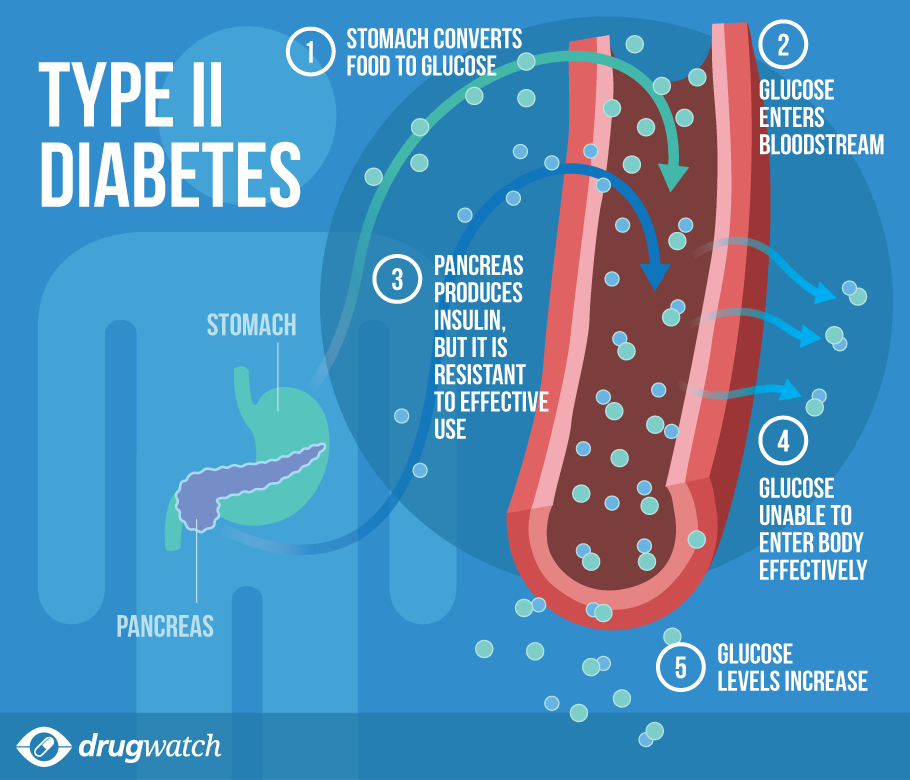
Diabetes treatment can include many elements, including traditional medications, alternative medicine, and natural remedies.
Alternative therapies encompass a variety of disciplines that include everything from diet and exercise to mental conditioning and lifestyle changes. Examples of alternative treatments include acupuncture, guided imagery, chiropractic treatments, yoga, hypnosis, biofeedback,aromatherapy, relaxation exercises, herbal remedies, massage, and many others.
The National Center for Complementary and Alternative Medicine, part of the National Institutes of Health, defines complementary and alternative medicine as a “group of diverse medical and health caresystems, practices, and products that are not presently considered to be part of conventional medicine.” Complementary medicine is used with conventional treatments, whereas alternative medicine is used instead of conventional medicine.
Some people with diabetes use complementary or alternative therapies to treat diabetes. Although some of these therapies may be effective, others can be ineffective or even harmful. Patients who use complementary and alternative medicine need to let their health careproviders know what they are doing.
What Alternative Treatments Are Used As Diabetes Treatment?
Acupuncture is a procedure in which a practitioner inserts very thin needles into designated points on the skin. Some scientists say that acupuncture triggers the release of the body’s natural painkillers. Acupuncture has been shown to offer relief from chronic pain. Acupuncture is sometimes used by people with neuropathy, the painful nerve damage of diabetes.
Biofeedback
Biofeedback is a technique that helps a person become more aware of and learn to deal with the body’s response to pain. This alternative therapy emphasizes relaxation and stress-reduction techniques.
Guided imagery
is a relaxation technique that some professionals who use biofeedback also practice. With guided imagery, a person thinks of peaceful mental images, such as ocean waves. A person may also include the images of controlling or curing a chronic disease, such as diabetes. People using this technique say these positive images can ease their condition.
What Natural Dietary Supplements Are Used for Diabetes Treatment?
Chromium

The benefit of added chromium for diabetes has been studied and debated for several years. Several studies report that chromium supplements may improve diabetes control. Chromium is needed to make glucose tolerance factor, which helps insulin improve its action. Because of insufficient information on the use of chromium to treat diabetes, no recommendations for supplementation exist.
Several types of plants are referred to as ginseng, but most studies of ginseng and diabetes have used American ginseng. Those studies have shown some sugar-lowering effects in fasting and after-meal blood sugar levels as well as in A1c levels (average blood sugar levels over a three-month period). However, larger and more long-term studies are needed before general recommendations for use of ginseng can be made. Researchers also have determined that the amount of sugar-lowering compound in ginseng plants varies widely.
Although the relationship between magnesium and diabetes has been studied for decades, it is not yet fully understood. Studies show that a deficiency in magnesium may worsen blood sugar control in type 2 diabetes. Scientists say that a deficiency of magnesium interrupts insulin secretion in the pancreas and increases insulin resistance in the body’s
tissues. Evidence suggests that a deficiency of magnesium may contribute to certain diabetes complications. A recent analysis showed that people with higher dietary intakes of magnesium (through consumption of whole grains, nuts, and green leafy vegetables) had a decreased risk of type 2 diabetes.
Vanadium
tissues. Evidence suggests that a deficiency of magnesium may contribute to certain diabetes complications. A recent analysis showed that people with higher dietary intakes of magnesium (through consumption of whole grains, nuts, and green leafy vegetables) had a decreased risk of type 2 diabetes.
Vanadium
 Vanadium is a compound found in tiny amounts in plants and animals. Early studies showed that vanadium normalized blood sugar levels in animals with type 1 and type 2 diabetes. A recent study found that when people with diabetes were given vanadium, they developed a modest increase in insulin sensitivity and were able to decrease their insulin requirements. Currently researchers want to understand how vanadium works in the body, discover potential side effects, and establish safe dosages.
Coenzyme Q10
Coenzyme Q10, often referred to as CoQ10 (other names include ubiquinone and ubiquinol) is a vitamin-like substance. CoQ10 helps cells make energy and acts as an antioxidant. Meats and seafood contain small amounts of CoQ10. Supplements are marketed as tablets and capsules. The evidence is not sufficient to evaluate CoQ10’s effectiveness as a complementary or alternative therapy for diabetes. CoQ10 has not been shown to affect blood sugar control.
What Plant Foods Are Used for Diabetes Treatment?
The following plant foods are sometimes used for diabetes treatment, particularly for those with type 2 diabetes.
- Brewer’s yeast
- Buckwheat
- Broccoli and other related greens
- Cinnamon
- Cloves
- Coffee
- Okra
- Peas
- Fenugreek seeds
- Sage
Most plant foods are rich in fiber, vitamins, and minerals, which are important to good health in people with diabetes. Some revealing new studies show that certain plant foods — cinnamon, cloves, and coffee — may actually aid in fighting inflammation and help insulin, the hormone that helps controls blood sugar. Studies have shown that cinnamon extracts can improve sugar metabolism, triggering insulin release, which also affects cholesterol metabolism. Clove oil extracts (eugenol) have been found to improve the function of insulin and to lower glucose, total cholesterol, LDL, and triglycerides. Recent findings indicate that an unknown compound in coffee (not caffeine) may enhance insulin sensitivity and reduce the risk of developing type 2 diabetes.
Still, the scientific evidence thus far does not support the role of garlic, ginger, ginseng, hawthorn, or nettle in benefiting blood sugar control in people with diabetes. If you have diabetes and are considering taking any of these herbal substances for diabetes treatment, be sure you talk to your doctor before you take them.
What Weight Control Substances Are Used for Diabetes Treatment?
The following plant foods are sometimes used for diabetes treatment, particularly for those with type 2 diabetes.
Since weight and diabetes are linked, many people with diabetes turn to natural alternative therapies for diabetes treatment, particularly those that claim to help with weight loss, including:
- Chitosan
- Garcinia cambogia (hydroxycitric acid)
- Chromium
- Pyruvate
- Germander
- Momordica charantia (Chinese bitter melon)
- Sauropus androgynus (sweet leaf bush)
- Aristolochic acid
In addition, transdermal (skin patch) systems as well as oral sprays have been developed to purportedly reduce appetite and facilitate weight loss. One patch system uses homeopathic amounts of 29 different compounds to reduce appetite. What is the bottom line? There’s not one published study available on its efficacy.
Reference and sources:
*Bax J, et al. (2007). Screening for coronary artery disease in patients with diabetes. Diabetes Care, 30(10): 2729-2736. Also available online: http://care.diabetesjournals.org/content/30/10/2729.full?sid=7fd5fe8d-71f5-49c8-8e5e-98669526543e.
*Brownlee M, et al. (2011). Complications of diabetes mellitus. In S Melmed et al., eds., Williams Textbook of Endocrinology, 12th ed., pp. 1462-1551. Philadelphia: Saunders.
__________________________________________________
Read More :

.
Diabetes Type 2 :Natural Remedies
By Unknown

Anxiety is the feeling of fear or panic. Most people feel anxious, panicky or fearful about situations in life, such as money problems or exams but often once the difficult situation is over, you feel better and calmer. Sometimes the feelings of fear or anxiety continue after the difficult situation or sometimes you may feel a stronger sense of fear than other people and this is when anxiety becomes a problem and can affect you doing every day things.
is there any natural remedies for anxiety?
The ansewer is YES , There are many safe Non drug remedies for anxiety, from mind-body techniques to supplements to calming teas. Some start working right away, while others may help lessen anxiety over time.
The ansewer is YES , There are many safe Non drug remedies for anxiety, from mind-body techniques to supplements to calming teas. Some start working right away, while others may help lessen anxiety over time.
1* Chamomile:(Available at Amazon)
If you have a jittery moment, a cuppa chamomile tea might help calm you down. Some compounds in chamomile (Matricaria recutita)bind to the same brain receptors as drugs like Valium.You can also take it as a supplement, typically standardized to contain 1.2% apigenin (an active ingredient), along with dried chamomile flowers. In one study at the University of Pennsylvania Medical Center, in Philadelphia, patients with generalized anxiety disorder (GAD) who took chamomile supplements for eight weeks had a significant decrease in anxiety symptoms compared to patients taking placebo.
2* L-theanine (or green tea):(Available at Amazon)
They say Japanese Buddhist monks could meditate for hours, both alert and relaxed. One reason may have been an amino acid in their green tea called L-theanine, says Mark Blumenthal, of the American Botanical Council.Research shows that L-theanine helps curb a rising heart rate and blood pressure, and a few small human studies have found that it reduces anxiety. In one study, anxiety-prone subjects were calmer and more focused during a test if they took 200 milligrams of L-theanine beforehand.You can get that much L-theanine from green tea, but you’ll have to drink many cups—as few as five, as many as 20.
3* Hops:(Available at Amazon)
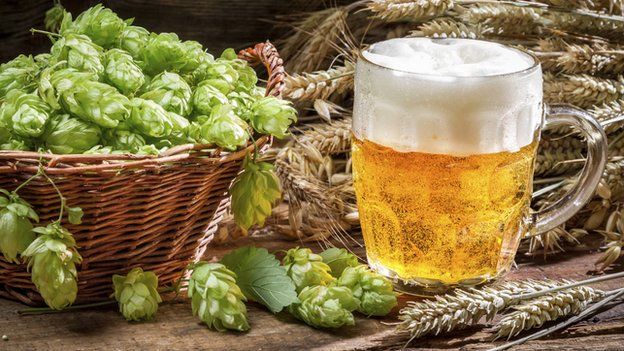
Yes, it’s in beer, but you won’t get the tranquilizing benefits of the bitter herb hops (Humulus lupulus)from a brew. The sedative compound in hops is a volatile oil, so you get it in extracts and tinctures—and as aromatherapy in hops pillows.“It’s very bitter, so you don’t see it in tea much, unless combined with chamomile or mint,” says Blumenthal. Hops is often used as a sedative, to promote sleep, often with another herb, valerian. Note: Don’t take sedative herbs if you are taking a prescription tranquilizer or sedative, and let your doctor know any supplements you are taking.
4* Valerian:(Available at Amazon)
Some herbal supplements reduce anxiety without making you sleepy (such as L-theanine), while others are sedatives. Valerian (Valeriana officinalis) is squarely in the second category. It is a sleep aid, for insomnia. It contains sedative compounds; the German government has approved it as a treatment for sleep problems.Valerian smells kind of nasty, so most people take it as a capsule or tincture, rather than a tea. If you want to try it, take it in the evening—not before you go to work! Valerian is often combined with other sedative herbs such as hops, chamomile, and lemon balm.
Named after the Greek word for “honey bee,” lemon balm (Melissa officinalis), has been used at least since the Middle Ages to reduce stress and anxiety, and help with sleep. In one study of healthy volunteers, those who took standardized lemon balm extracts (600 mg) were more calm and alert than those who took a placebo.While it’s generally safe, be aware that some studies have found that taking too much can actually make you more anxious. So follow directions and start with the smallest dose. Lemon balm is sold as a tea, capsule, and tincture. It’s often combined with other calming herbs such as hops, chamomile, and valerian.
6* Exercise:
Exercise is safe, good for the brain, and a powerful antidote to depression and anxiety, both immediately and in the long term. “If you exercise on a regular basis, you’ll have more self-esteem and feel healthier,” says Drew Ramsey, MD, Assistant Clinical Professor of Psychiatry at New York-Presbyterian Hospital, Columbia University, who blogs at www.DrewRamseyMD.com.“One of the major causes of anxiety is worrying about illness and health, and that dissipates when you are fit.”
7* The 21-minute cure:
Twenty-one minutes: That’s about how long it takes for exercise to reliably reduce anxiety, studies show, give or take a minute. “If you’re really anxious and you hop on a treadmill, you will feel more calm after the workout,” Dr. Ramsey says. “I generally ask my patients to spend 20 to 30 minutes in an activity that gets their heart rate up, whether it’s a treadmill or elliptical or stair stepping—anything you like. If you rowed in college, get back to rowing. If you don’t exercise, start taking brisk walks.”
8* Passionflower: (Available at Amazon)
In spite of the name, this herb won’t help you in love. It’s a sedative; the German government has approved it for nervous restlessness. Some studies find that it can reduce symptoms of anxiety as effectively as prescription drugs. It’s often used for insomnia.Like other sedatives, it can cause sleepiness and drowsiness, so don’t take it—or valerian, hops, kava, lemon balm, or other sedative herbs—when you are also taking a prescription sedative. Be careful about using more than one sedative herb at a time, and don’t take passionflower for longer than one month at a time.
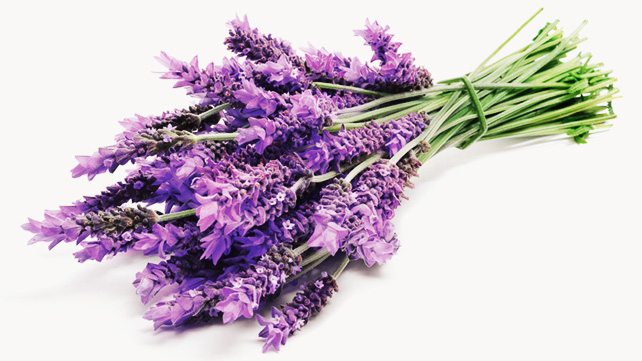
The intoxicating (but safe) aroma of lavender (Lavandula hybrida) may be an “emotional” anti-inflammatory. In one study, Greek dental patients were less anxious if the waiting room was scented with lavender oil. In a Florida study, students who inhaled lavender oil scent before an exam has less anxiety—although some students said it made their minds “fuzzy” during the test.In one German study, a specially formulated lavender pill (not available in the U.S.) was shown to reduce anxiety symptoms in people with Generalized Anxiety Disorder (GAD) as effectively as lorazepam (brand name: Ativan), an anti-anxiety medication in the same class as Valium.
10* Take a ‘forest bath’:
The Japanese call it Shinrin-yoku, literally “forest bath.” You and I know it as a walk in the woods. Japanese researchers measured body changes in people who walked for about 20 minutes in a beautiful forest, with the woodsy smells and the sounds of a running stream.The forest bathers had lower stress hormone levels after their walk than they did after a comparable walk in an urban area.
11* Stop catastrophizing:
Chances are a catastrophic outcome is a lot less likely than you think when you’re consumed with anxiety. “Very few events really change the trajectory of your life,” says Dr. Ramsey.When you’re attacked by anxiety, it’s easy to get into a mind set known as “catastrophic thinking” or “catastrophizing.” Your mind goes to the bad terrible really horrible just unbearable things and what if they really do happen? “You think, ‘This could really ruin my life,'” says Dr. Ramsey.
instead, take a few deep breaths, walk around the block, and consider the real probability that this problem will really spin out into catastrophe. How likely is it that you’ll lose your job, never talk to your sister again, go bankrupt?
12* Breath and question:

To stay mindful, ask yourself simple questions while practicing breathing exercises, Edenfield suggests. “Sit in a comfortable place, close your eyes, and focus on how your breath feels coming in and out of your body. Now ask yourself silent questions while focusing on the breath.”What is the temperature of the air as it enters your nose? How does your breath feel different as it leaves your body? How does the air feel as it fills your lungs?
Reference and sources:
Find a Therapist – Search for anxiety disorder treatment providers in the U.S. and find advice on selecting the right doctor or therapist. (Anxiety Disorders Association of America)
Support Groups – List of support groups in the U.S., Canada, Australia, and South Africa. (Anxiety and Depression Association of America)
National Alliance on Mental Illness Information Helpline – Trained volunteers can provide information, referrals, and support for those suffering from anxiety disorders in the U.S. Call 1 (800) 950-NAMI (6264), Monday through Friday, 10 am-6 pm, Eastern time. (NAMI)
Anxiety UK – Information, support, and a dedicated helpline for UK sufferers and their families. (Anxiety UK)
Anxiety Disorders, Canada – Provides links to services in different Canadian provinces. (Anxiety Disorders Association of Canada)
SANE Helpline – Provides information about symptoms, treatments, medications, and where to go for support in Australia. Call: 1800 18 7263. (SANE Australia).

is there any natural remedies for anxiety?
By Unknown
Subscribe to:
Posts (Atom)